Challenge
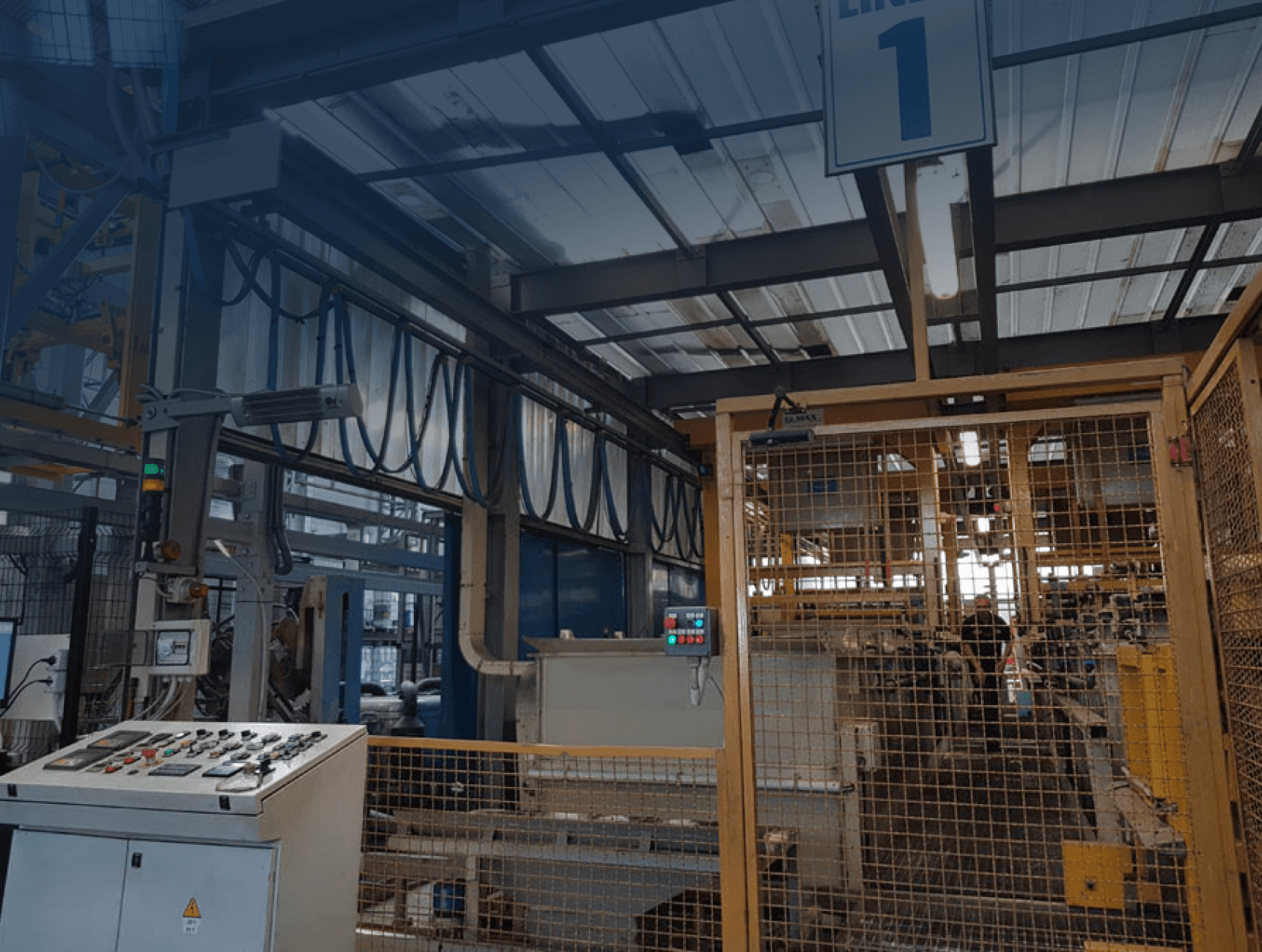
Bru-zinc is an Italian company specialized in galvanic treatments of hot galvanizing, with strong experience in the anti-corrosive protection of metals intended for the industrial, infrastructural and civil sectors.
To improve operational efficiency, Bru-zinc was looking for a digital solution capable of connecting in a single system the production processes and the company management, to monitor the phases of the thermal cycle and simultaneously support maintenance activities.
Objectives
/01
Digitizing production processes
Transform zinc plating and maintenance operations into a continuous digital flow, reducing errors and management times.
/02
Integrate business systems and data
Integrate efficiently with the internal management system and production plants, ensuring traceability and consistency between production and administrative data.
/03
Improve control and maintenance
Systems and software often do not communicate with each other, making resource management inefficient and the ability to adapt to new orders or production requests.
Approach
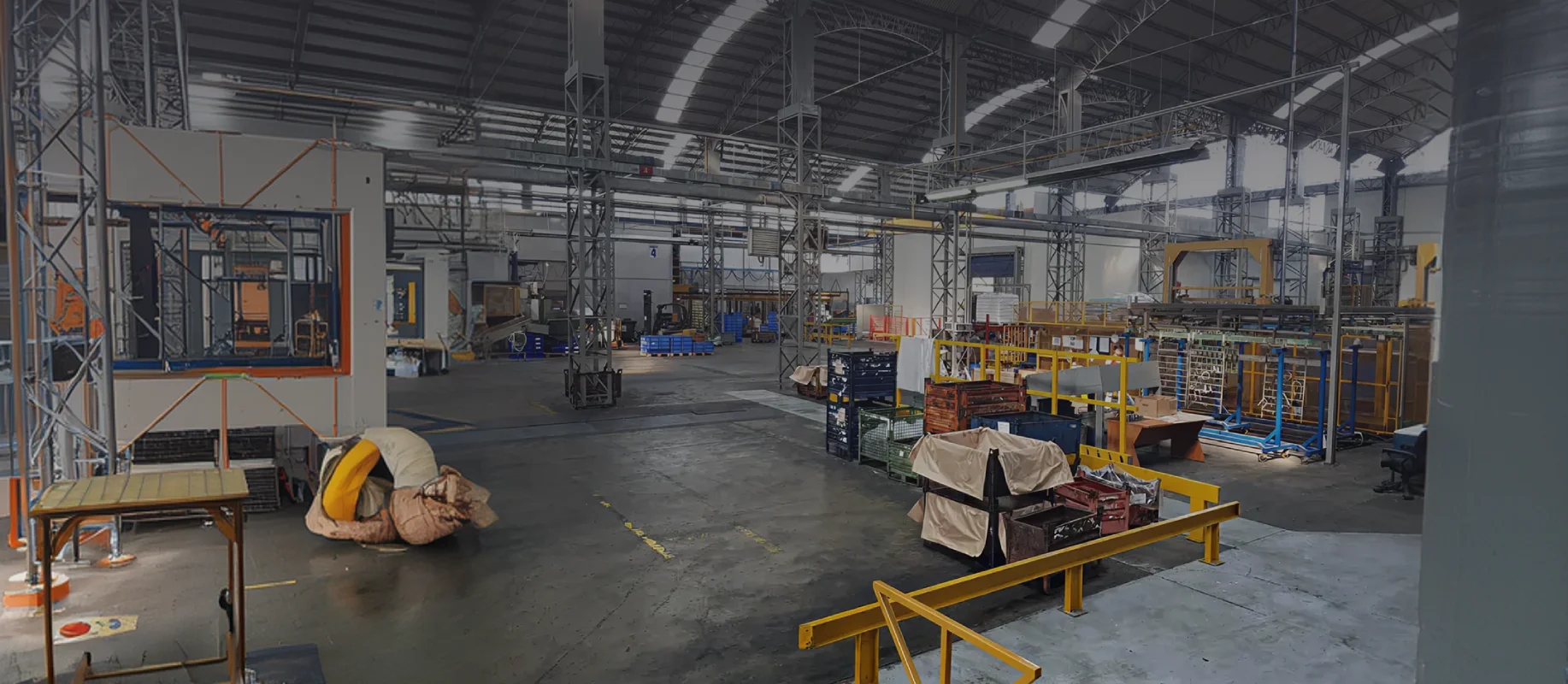
After careful observation of working and coordination methods, we analyzed the needs and limitations of current systems to truly understand the context.
The work focused on:
Ensure an accessible and as seamless an experience as possible for operators in terms of user interface and usability in the environments;
Integrate with existing machinery and systems, to promote a gradual and sustainable digital evolution that remains accessible in terms of costs and timelines.

Solution
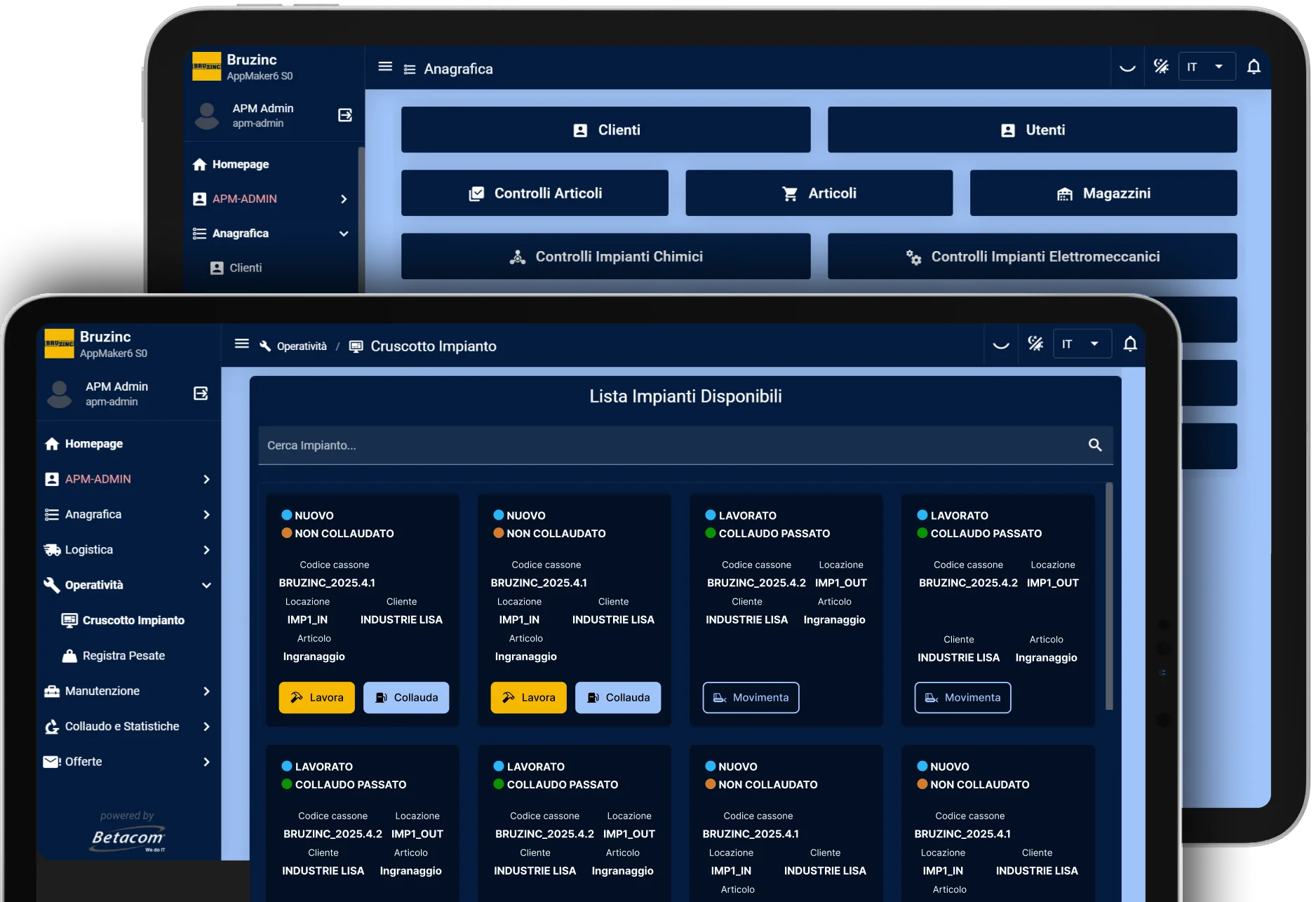
Functionalities
WAREHOUSE
Integrating with existing management systems, the platform allows for the recording of raw material movements in warehouses.

The system synchronizes production and logistics by optimizing material flows, providing visibility on inventory and warehouse movements to align availability with order progress.
The stocks are always updated
No unnecessary movements are made.
The traceability of all materials helps to avoid waste of time and resources
PRODUCTION
The jobs are planned and assigned to the lines, with defined priorities and scheduled work.
Each operator is connected, tracked, and enabled only for the activities for which they are trained. Depending on the type of permissions, they can start, pause, complete operational phases, record activities and materials used, and report any anomalies.
The access to operational functions occurs via personal login or RFID key, ensuring security, traceability, and accountability
MAINTENANCE
During processing, any anomalies are highlighted for each operating machine.
We implement preventive maintenance so that each stage of the production process is tracked to ensure transparency, compliance, and control.
The maintenance interventions are done only when needed or according to regulations
This way, machine downtimes are reduced, and the useful life of machinery and components is prolonged.
MONITORING
A quality check is carried out on the processed items, accompanied by documentation and statistics for each plant.
Through intuitive dashboards updated in real-time, it is possible to monitor quality control, performance analysis based on KPIs, and detected anomalies.
Quality controls are recorded automatically
Out-of-range results are immediately reported, ensuring a reactive and continuous control.
Accessibility + design
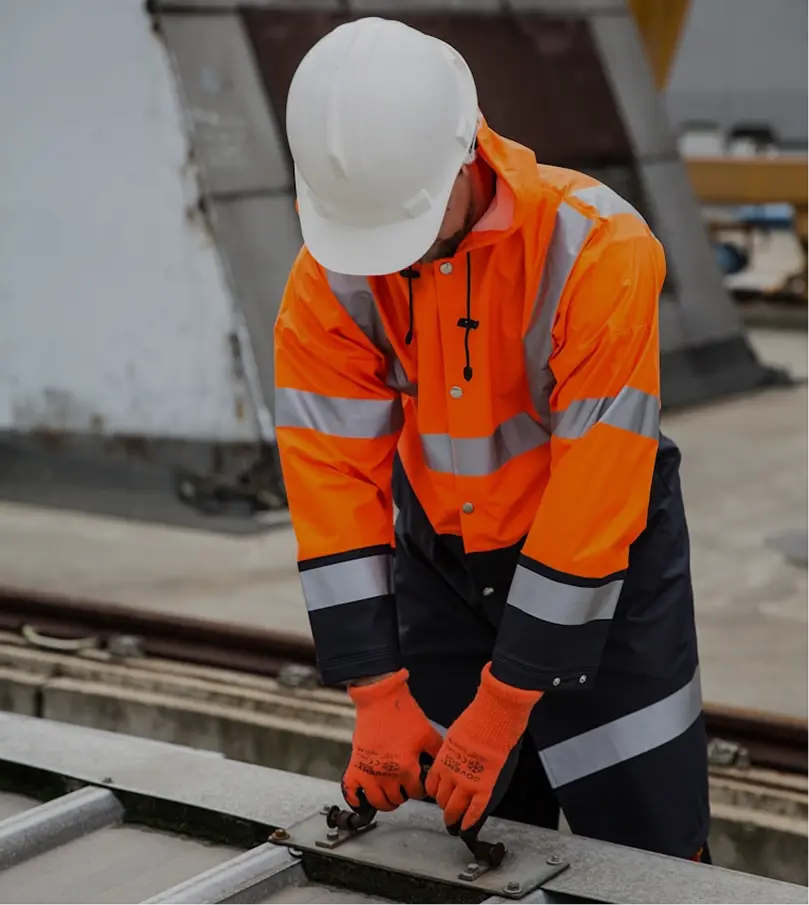
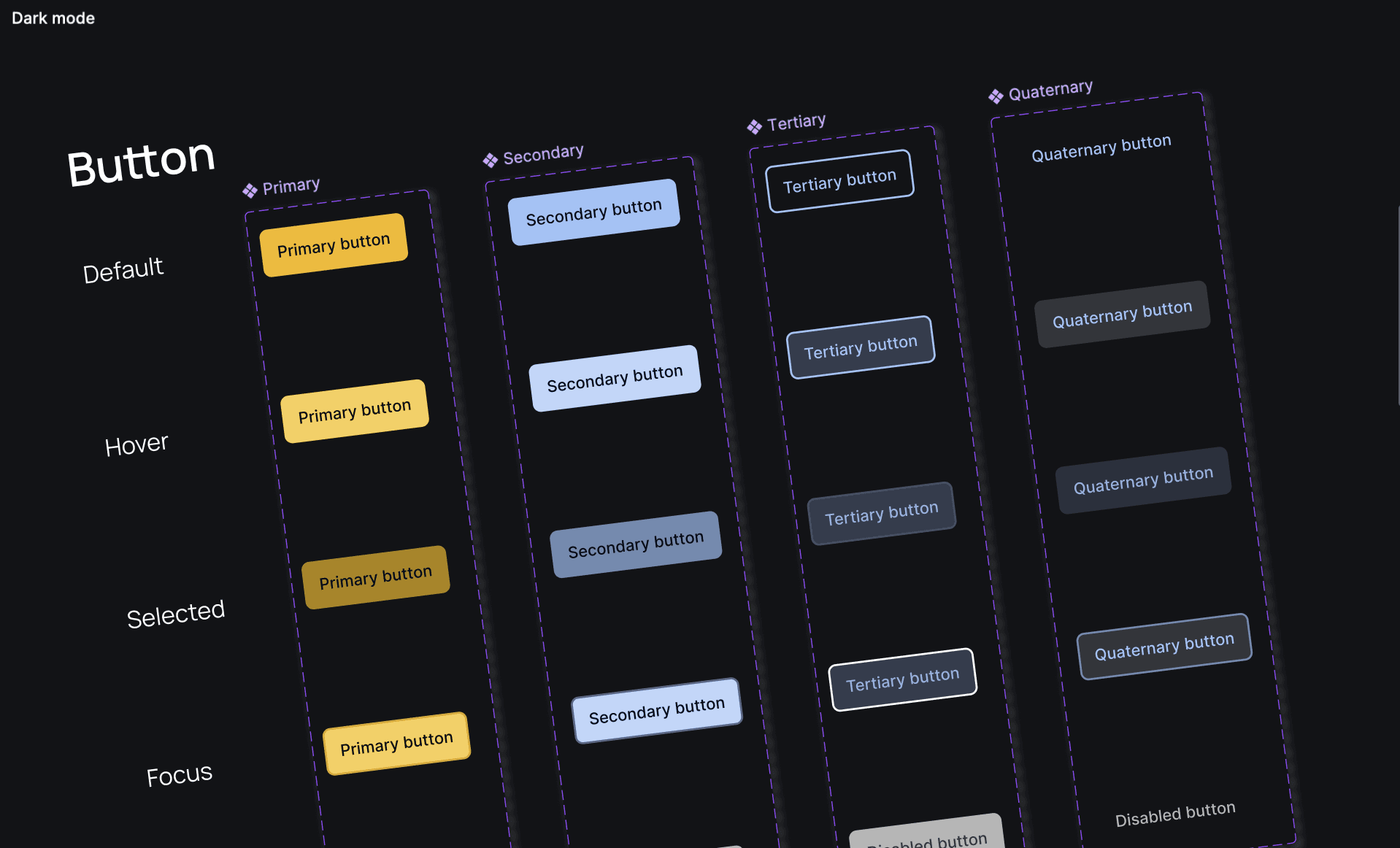
In the design, it was essential to ensure a fluid and accessible interface, compliant with the HCI standard in terms of text visibility and contrast, color palette, and button calibration to fit a context characterized by loud noise and neon lights. The size and arrangement of elements in the graphical interface were defined by following the principles of human factors to ensure effective interaction even when using work gloves.
Results


Do you have a newly formed idea, a project to refine, or a specific need? Let's start from here.