Manage the mill waste
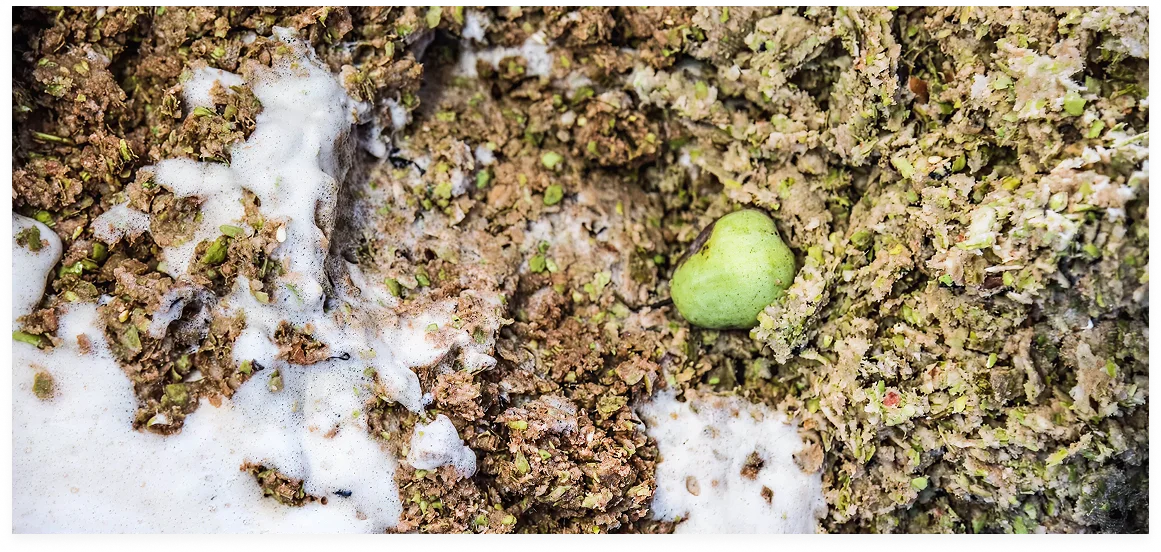
The oil extraction process generates pomace, the disposal of which involves high economic and environmental costs as it is harmful to crops and difficult to dispose of.
The absence of sustainable solutions for the proper treatment of pomace increases ecological impact, reduces agricultural productivity, and leads to increased use of chemical pesticides, resulting in a rise in management costs.
Partner

From the collaboration with the University La Sapienza in Rome arises Inwaste, a bridge between the academic and manufacturing worlds to innovate, trace, and regenerate the entire olive oil supply chain.
Announcement

We worked on the I-NEST brand: a funding line of Spoke 7 within the PNRR and NextGenerationEU programs, with a focus on innovation and digital transformation, especially in rural areas and the agritech sector.
Technologies
Machine Learning, Digital traceability
Location
Andria, Bari, Italy
Transforming waste into a useful resource within the supply chain.
Our approach is to recover and enhance the by-products of the oil mills by converting their waste, reducing environmental impact, and creating new opportunities.
The in-depth analysis of pomace as a by-product of olive oil production has highlighted its hidden potential: it is naturally rich in oligosaccharides (OPC) that, if properly isolated and treated, can be transformed into fertilizers and other natural solutions essential for eliminating pests, improving soil quality and reducing the need for chemical pesticides.
Solution
The traceability system
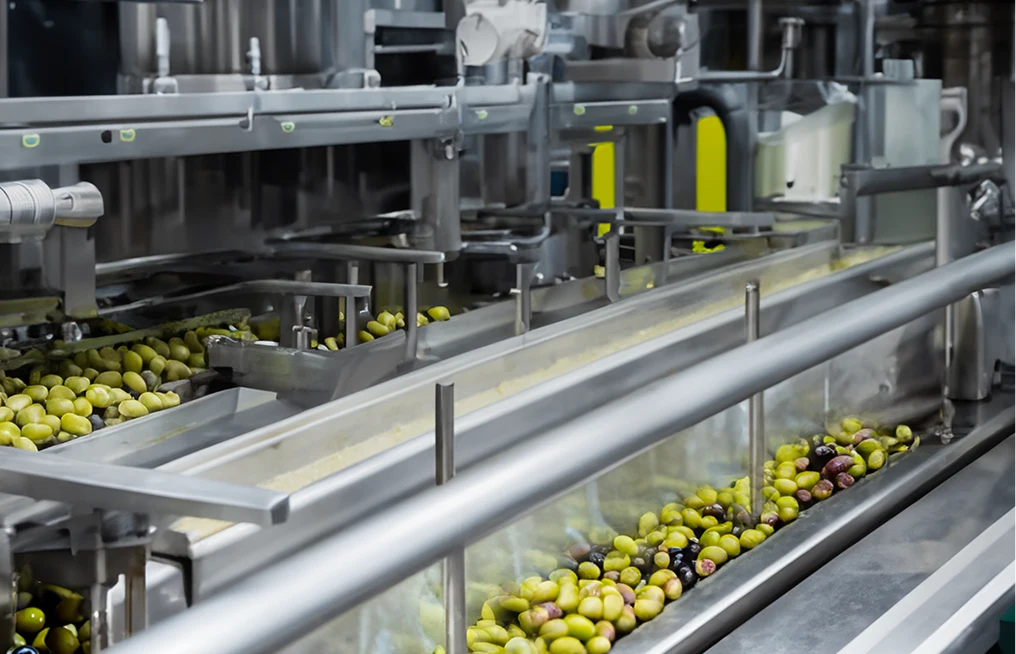
Inwaste is a technology based on a traceability platform that, using Data Analytics and Artificial Intelligence, analyzes olives according to a color index and identifies their immunostimulant properties.
Through Machine Learning, we can understand the potential of the olives right from the harvest and predict their yield and chemical properties.
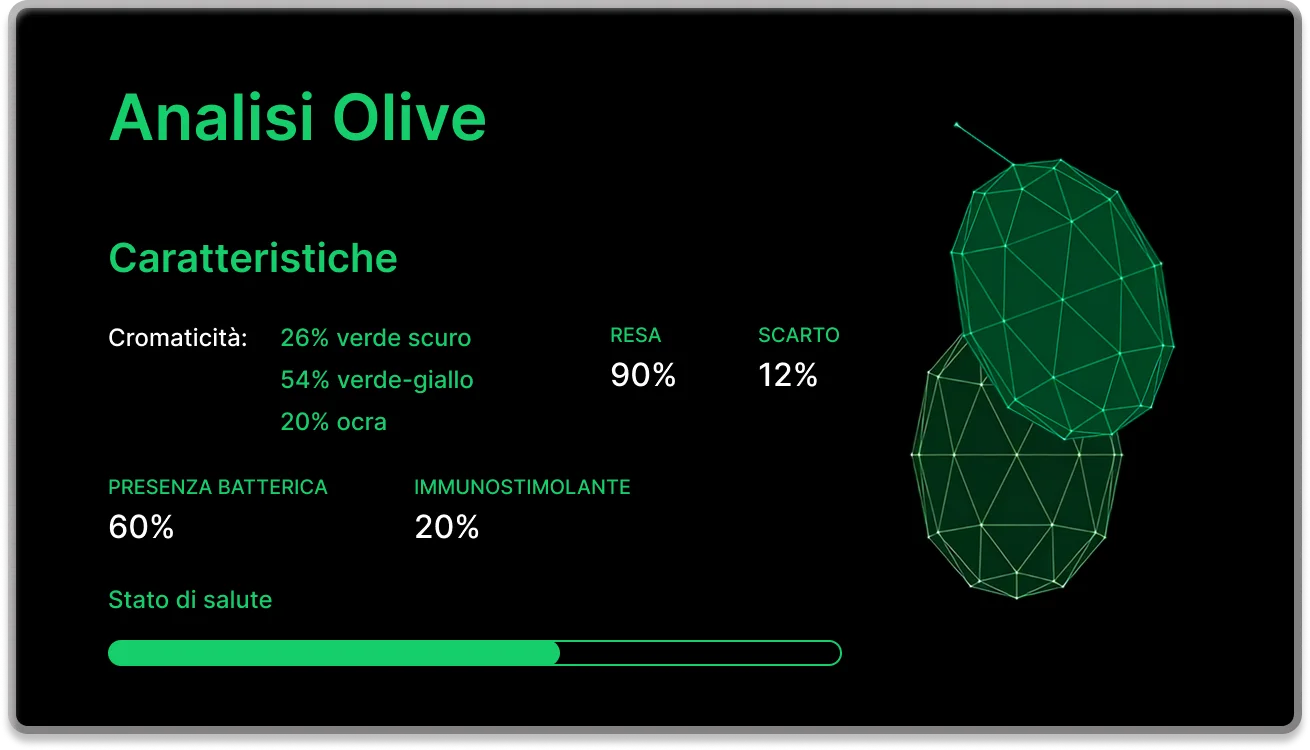
Olive harvest
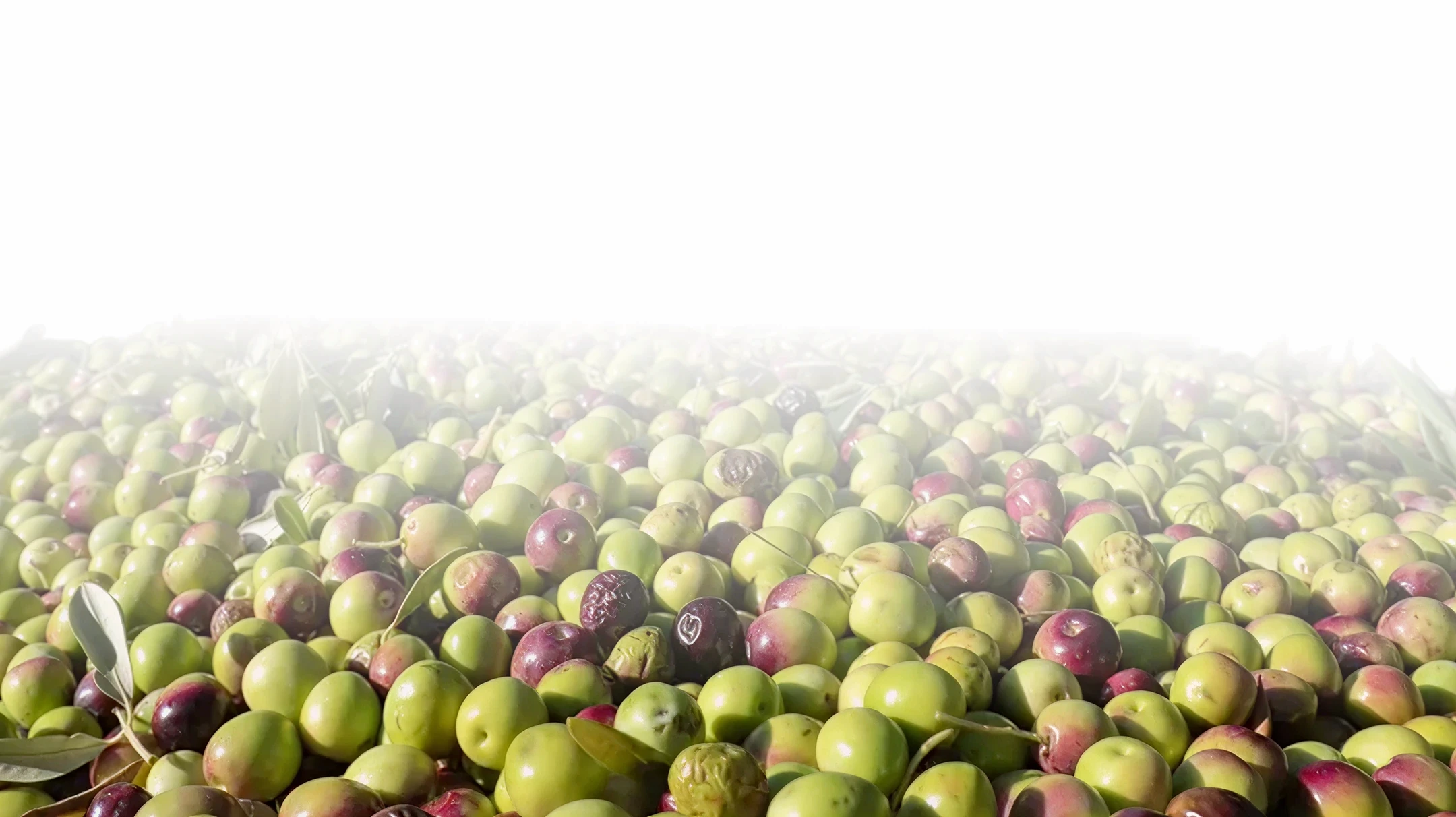
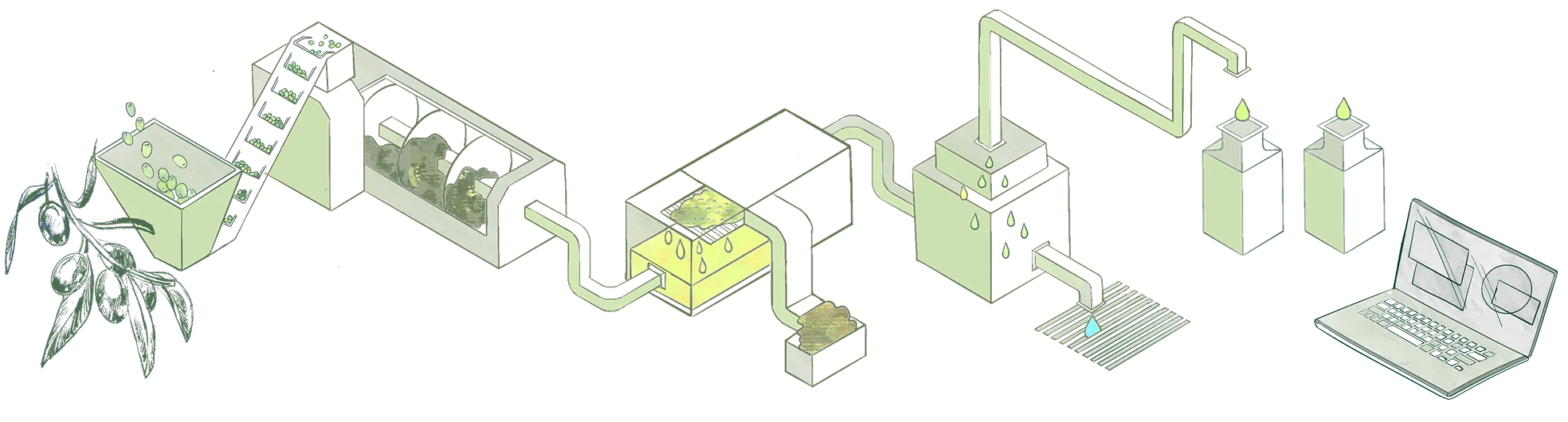
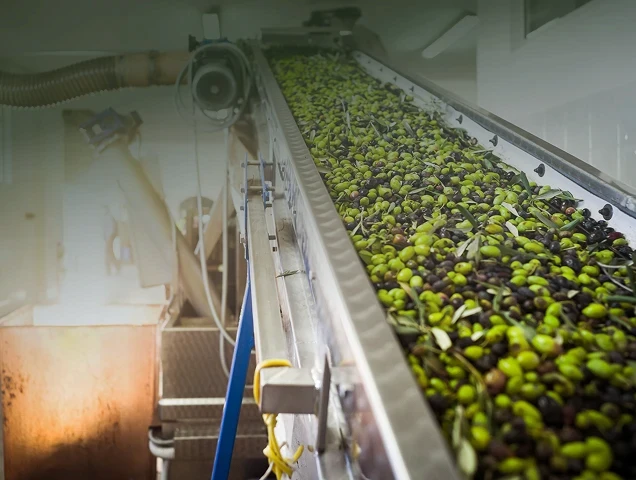
From the crushing of olives, pomace is obtained: a harmful waste and wasteful material to be eliminated and transported
Separation between oil and pomace
From the sansa, the immunostimulating OPCs are isolated to protect plants from various pathogens
Transformation of the pomace
The sansa is burned in a reactor where from the combustion of biogas, a plant biostimulant is obtained
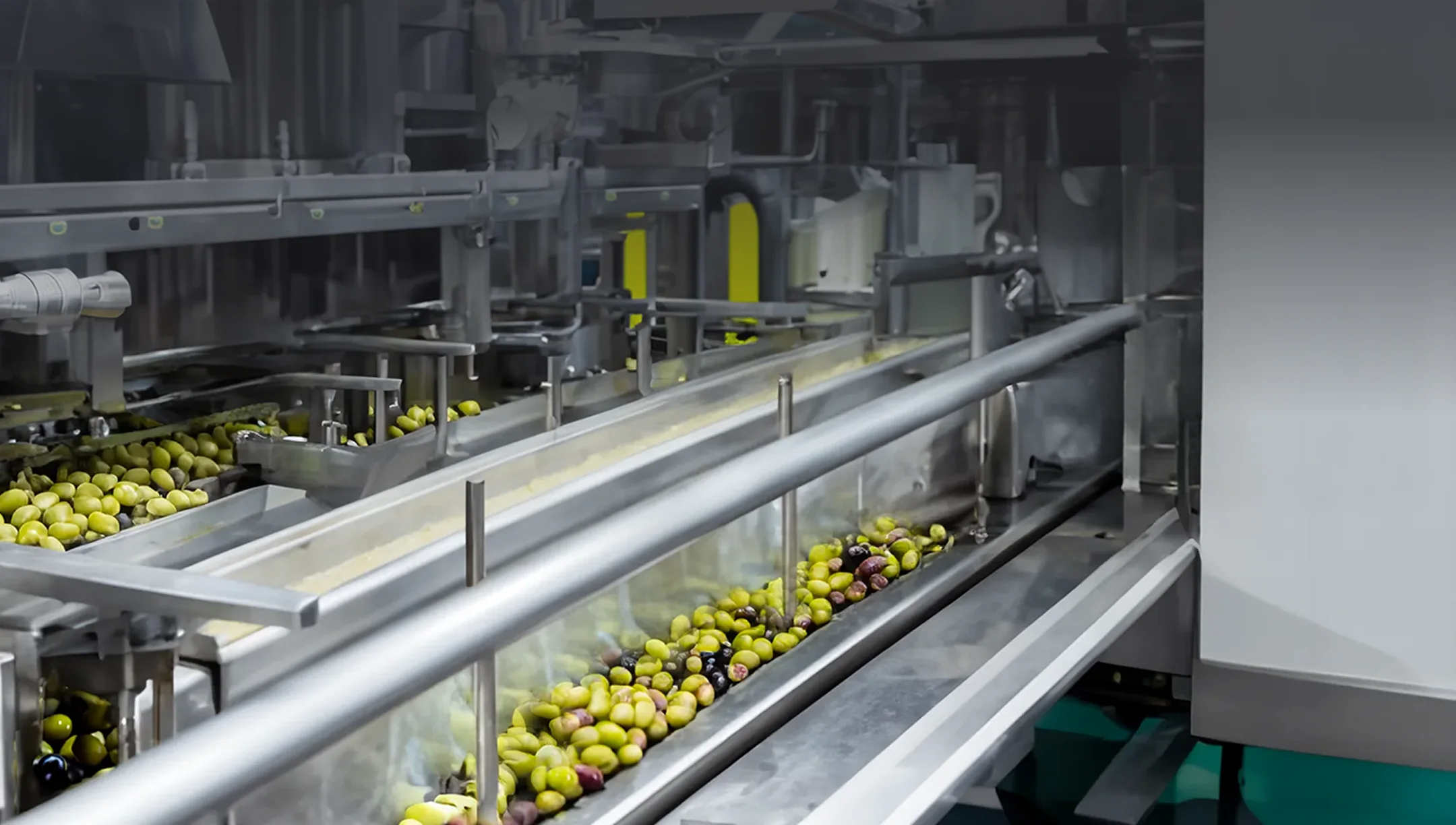
Color analysis
A chemical-physical analysis is carried out according to a color index and the level of maturity of the olives
Reinsertion into crops
They produce pesticides, fertilizers, supplements, biogas, and water with a view to circular economy and at km0
Predictive model
Through our software, we are able to identify the yield between material/waste and chemical efficiency based on the color of the olive
The commitment to sustainability
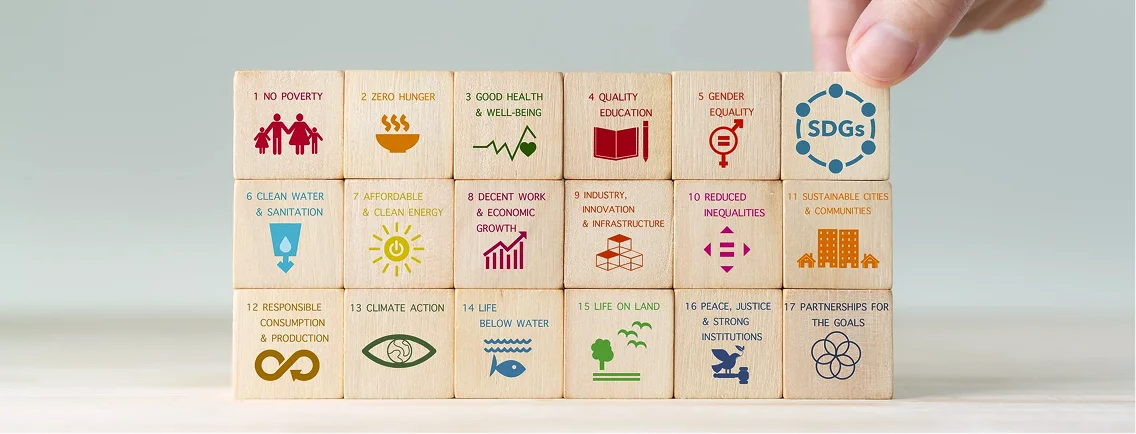
Our activities have been designed to align with all six climate and environmental objectives defined by the European taxonomy, ensuring that they "do no significant harm" to the environment (the "Do No Significant Harm" principle).
Results


Do you have a newly formed idea, a project to refine, or a specific need? Let's start from here.